“Secure Every Partnership,

         Minimise Every Risk

We bring decades of multi-sector experience, guiding businesses and investors with a vision for long-term growth and sustainability. Our strengths span across industries and geographies, delivering impact in the UAE and globally.
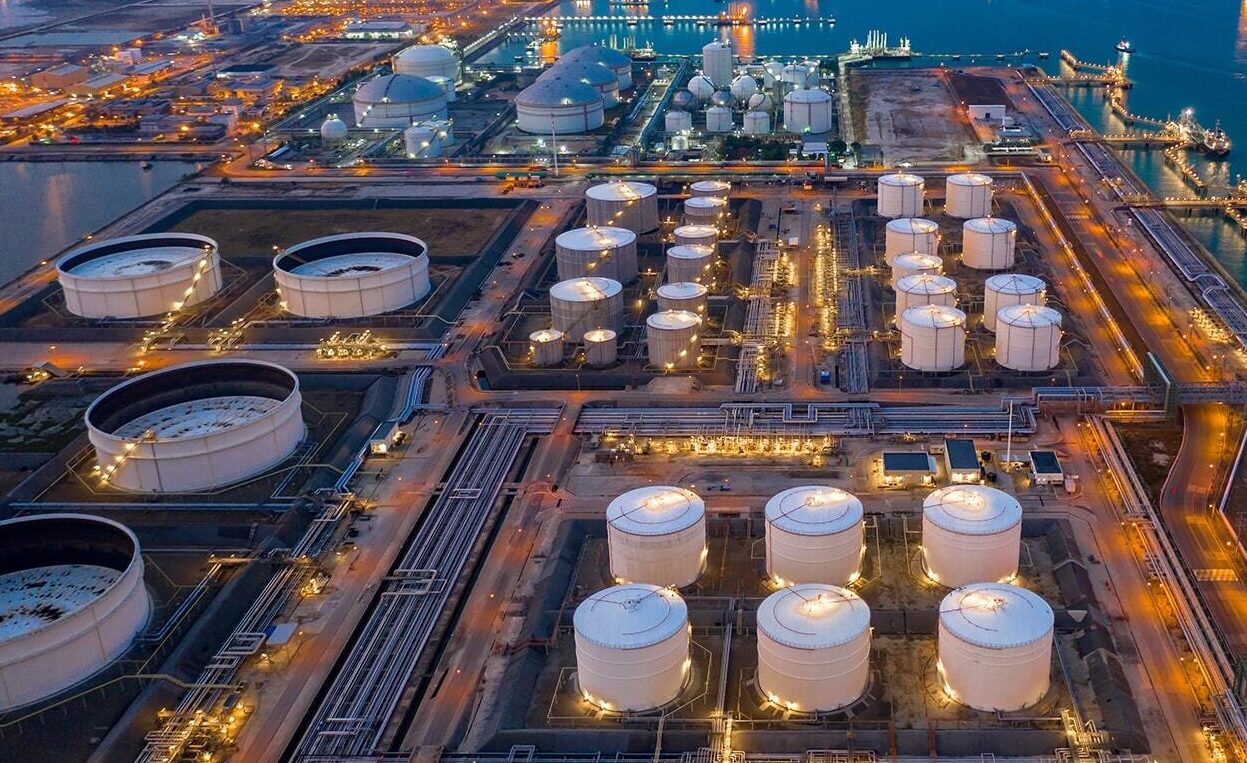

Power Your Business Without Limits

Connecting key international ports—Rotterdam, Houston, Jurong, Fujairah, Huizhou, and Qingdao—we deliver seamless logistics and trading solutions tailored to your needs. Whether you require FOB, CIF, or TTO, our expertise ensures efficient and secure transactions

We specialise in Tank-to-Tank, Tank-to-Vessel, and Tank Take Over operations for both Tier 1 and Tier 2 clients, backed by rigorous inspection standards through SGS or equivalent agencies.

Sourced from trusted origins in Poland and Kazakhstan, our products meet the highest quality and compliance standards, providing reliability you can count on.

Fueling Insight

The concept of an Unconditional Dip Test Authorization (UDTA) no longer exists in the Port of Rotterdam. While some procedures may still mention UDTA, the Port Authority has made it clear that all testing and Proof of Product (POP) are subject to strict conditions.

Current Framework

1)    Tier 1 – Tank-to-Tank (Primary Logistics Facilities)

  • In Tier 1 operations, buyers do not receive a Tank Storage Agreement (TSA).
    Instead, an Authorization to Verify (ATV) is issued, confirming the buyer’s entitlement to access the storage tank for verification and testing.
    No dip test or inspection can proceed without a valid ATV.

2)    Tier 2 – Tank-to-Tank (Secondary Logistics Facilities)

  • In Tier 2, buyers must hold a TSA that has been endorsed by the storage provider.
  • Once adequate tank capacity and an injection schedule are confirmed, the Port Authority issues a Dip Test Authorization (DTA).
  • The DTA is the only valid authorization for conducting a dip test before product transfer.

3)    Tank-to-Vessel (Marine Transfers)

  • For vessel loading, a Notice of Readiness (NOR) is mandatory.
  • The NOR confirms that the vessel is ready, compliant, and authorized to receive the product.
  • No vessel operations are permitted without an NOR.

What This Means for You

  • UDTA is obsolete: Any mention of UDTA in procedures is misleading and has no operational or legal effect in Rotterdam.
  • Compliance is mandatory: Buyers and sellers must work strictly within the framework of ATV (Tier 1), DTA (Tier 2), and NOR (Tank-to-Vessel).
  • Professional assurance: By following these requirements, transactions proceed with transparency, reduced risk, and Port Authority approval.


Tier 1 – Tank-to-Tank

Confirms buyer access to tank for verification/testing

Tier 2 – Tank-to-Tank

Requires endorsed Tank Storage Agreement (TSA)

Confirms tank capacity and approved injection schedule

Tank-to-Vessel

Confirms vessel is ready, compliant, and authorised to receive product

X. UDTA is obsolete – it carries no legal or operational effect in Rotterdam

✅ All testing and transfers must follow


The fuels trading industry has seen a significant influx of new participants seeking to enter this lucrative sector. Many approach the market aggressively, aiming to connect with buyers and sellers to gain quick profits. Unfortunately, this has created opportunities for fraudulent activities and fake deals, which have adversely impacted the reputation and trust within the industry.

Complex financial instruments such as POF, BCL, SBLC, DLC, and others have become commonplace on informal channels like WhatsApp and social media. Inexperienced participants often fall victim to scams due to a lack of understanding and unrealistic expectations, which in turn has led to an environment where distrust has become widespread. Some buyers now impose non-standard conditions, such as requesting past performance records, proof of product (POP), SGS reports, or tank farm visits before initiating a formal purchase process.

It is important to note that sellers providing extensive documentation before a Letter of Intent (LOI) is issued may demonstrate inexperience or an inability to transact efficiently. The influx of inexperienced buyers, agents, and intermediaries—driven by greed and the allure of rapid profits—remains the root cause of most fraudulent activities.

A prudent buyer, however, evaluates the legitimacy of a seller by reviewing established sale procedures and assessing risks in a structured manner. In practice, proof of product is never provided without shared cost obligations. For the buyer, this typically involves an active Tank Services Agreement (TSA) with a minimum paid rental period. TSA agreements generally include refund clauses that mitigate risk if a transaction does not materialize.

It is critical to understand that if a buyer requests proof of product at their own expense without committing to the process, the seller assumes all operational and financial risk. Proper risk management is achieved when the buyer’s tank management company verifies the SGS report, enabling both parties to confirm operational capability. Following verification, the POP is issued, any dip test is conducted, payment is executed, and cargo is injected into the buyer’s tank. This procedure effectively filters and validates both buyers and sellers, ensuring safe and legitimate transactions.

“Secure Every Partnership, Minimise Every Risk”

The ICC Guidelines on Agents, Intermediaries & Third Parties help companies navigate third-party relationships with confidence.

Why it matters:

  • ⚠️ Third parties can be the “weakest link” in compliance.
  • 🛡️ Poor management may lead to reputational or operational risks.

How to apply the Guidelines:

  • ✅ Use a structured, risk-based approach for vetting sensitive third parties.
  • ✅ Strengthen governance and compliance.
  • ✅ Protect your business integrity in every partnership.

Key takeaway:

Following these principles ensures safe, transparent, and effective engagement with agents, intermediaries, and other third parties.

“Protecting the Integrity of Every Transaction”

Due to a rise in fraudulent documents and scams, all potential buyers must review and accept this notice before submitting any LOI, ICPO, RWA, BCL, SBLC, or similar documents.

Our refineries strictly follow international trade standards. Submission of unverified or false documents may result in reporting to ICC and refinery databases.

Key Guidelines for Buyers

  • Accuracy is mandatory: Only submit documents you are certain are true and verified.
  • Investment in readiness: Buyers must show capacity to receive fuel before POP is issued.
  • Refinery-direct pricing: Prices are set by the manufacturer, independent of Plats or traders’ rates.
  • Strict procedures: Manufacturer procedures cannot be changed or negotiated once a transaction begins.
  • Third-party logistics: All costs for storage, transport, or tank rental go to third-party logistics providers, not manufacturers.
  • Prepared buyers favoured: Those with rented tanks or vessels are prioritised.
  • Due diligence required: Conduct proper checks before engaging to avoid transaction failures.
Why This Matters

These policies protect both buyers and sellers while maintaining the integrity of the global fuels industry. Following these procedures ensures:

  • Safe and secure transactions
  • Verified and genuine document handling
  • Reduced risk of financial or reputational loss
Acknowledgment

By engaging with our refineries, you confirm your understanding of these rules and the consequences of submitting false or inaccurate documents.

We supply a comprehensive range of refined petroleum products that meet international specifications and performance standards.

Our product portfolio includes:

  1. Ultra-Low Sulphur Diesel (EN590) – 10 PPM & 500 PPM grades
  2.  Aviation Kerosene (Jet A-1) – high-quality fuel meeting ASTM D1655 standards
  3. Gas Oil (D2 Diesel) – reliable middle distillate for industrial and transport applications
  4. Fuel Oil (Virgin D6) – heavy residual fuel suitable for marine and power generation
  5. Bitumen / Petroleum Asphalt – Grades 60/70 and 80/100 for road and infrastructure works
  6. Petroleum Coke (Pet Coke) – high-carbon industrial fuel for cement and metallurgical sectors
  7. Liquefied Natural Gas (LNG) – cleaner energy solution for power and industry
  8. Liquefied Petroleum Gas (LPG) – versatile fuel for domestic, commercial, and automotive use
  9.  Automotive Diesel Standards – EURO 4, EURO 5, and EURO 6 compliant diesel fuels


All petroleum products supplied by refinery are sourced from verified international refineries and storage facilities across Kazakhstan, the Netherlands, Denmark, the USA, and Poland.

Each shipment carries a country-of-origin certificate confirming where the product was refined and exported from, ensuring full transparency and authenticity in every transaction.

All cargoes are independently inspected and certified by SGS and Intertek for both quality and quantity, guaranteeing that every delivery meets international standards and regulatory compliance.

Our main loading ports include Jurong, Fujairah, Rotterdam, Houston, Batumi, and Mersin, enabling efficient global logistics and on-time deliveries.


      “Trusted supply. Verified quality. Global reach.”

Citadel oil Trading 

Br. Of Citadel investment LLC

 General guidelines before and after issuance of ICPO

1. Checklist

  • Buyer completes the Technical Requirement Submission form.
  • Based on requirements, relevant procedures are shared.
  • It is essential to validate the TSA/CPA (Tier 2) from the refinery before issuing the ICPO

2. Working Procedure

  • Buyer reviews, agrees upon, and confirms the transaction procedure and required documentation process.

3. Buyer & Seller’s Representative (Citadel) Meeting

  • An introduction call is held between the Buyer and Seller’s Representative (Citadel) to establish ground rules and align on the objective of successfully completing the transaction.

4. Logistics Company

  • Buyer shares the refinery’s working procedure with their appointed Logistics Company.
  • An official email confirmation from the Buyer’s Logistics Company, acknowledging adherence to the refinery procedures, is mandatory. This must be included in the submission package alongside the ICPO and other required documents.
  • Where applicable, the Buyer’s Logistics Company will:
  • a) Endorse refinery-supplied documents to the Buyer.
  • b) Provide necessary TSA/CPA details and issue documents as required.
  • For Tank-to-Tank transactions: The term Tank to Tank Measurement (TTM)/Notice of Readiness (NOR) refers to verifying the storage capacity of the buyer’s tank. Once verified ATV and Dip Test is conducted by buyer in Seller’s tank.
  • For Tank-to-Vessel transactions: TTVIA and Q88 are required at different stages during the transaction prior to Dip Test in Seller’s Tank.
  • Buyer must confirm with their Logistics Company regarding any fees payable for NOR/TTVIA/Q88 issuance. All correspondence should be shared with the Seller’s representative (Citadel) in advance to avoid delays after the Commercial Invoice is issued.

5. ICPO

  • The Buyer (or authorised signatory) issues the ICPO from their corporate email to the Seller’s representative (Citadel).
  • A draft ICPO format will be shared beforehand with the Buyer for guidance

6. Verification of ICPO

  • The Seller’s representative (Citadel) conducts due diligence, and upon successful verification, forwards the ICPO to the refinery.

7. Commercial Invoice

  • Once due diligence is complete, the refinery issues the Commercial Invoice only to theBuyer’s or authorized signatory’s email.
  • Communication will be strictly between the refinery and the authorised signatory. Any communication issues on the Buyer’s side must be reported to the Seller’s representative (Citadel) immediately.

8. Transaction Procedure

  • The Buyer must follow the refinery’s procedure as outlined in the SOP.

9. Transaction Timelines

  • The Buyer will have approximately 10 days from the issuance of the Commercial Invoice to complete the transaction until product injection, subject to the Buyer fulfilling all obligations as per the SOP.
  • Any delay from the Buyer’s side after the issuance of the Commercial Invoice will result in demurrage charges.


Downloads

**This information is provided for compliance and educational purposes only. Parties engaging in transactions within the Port of Rotterdam must ensure all procedures conform to Port Authority requirements and must not rely on outdated concepts such as UDTA